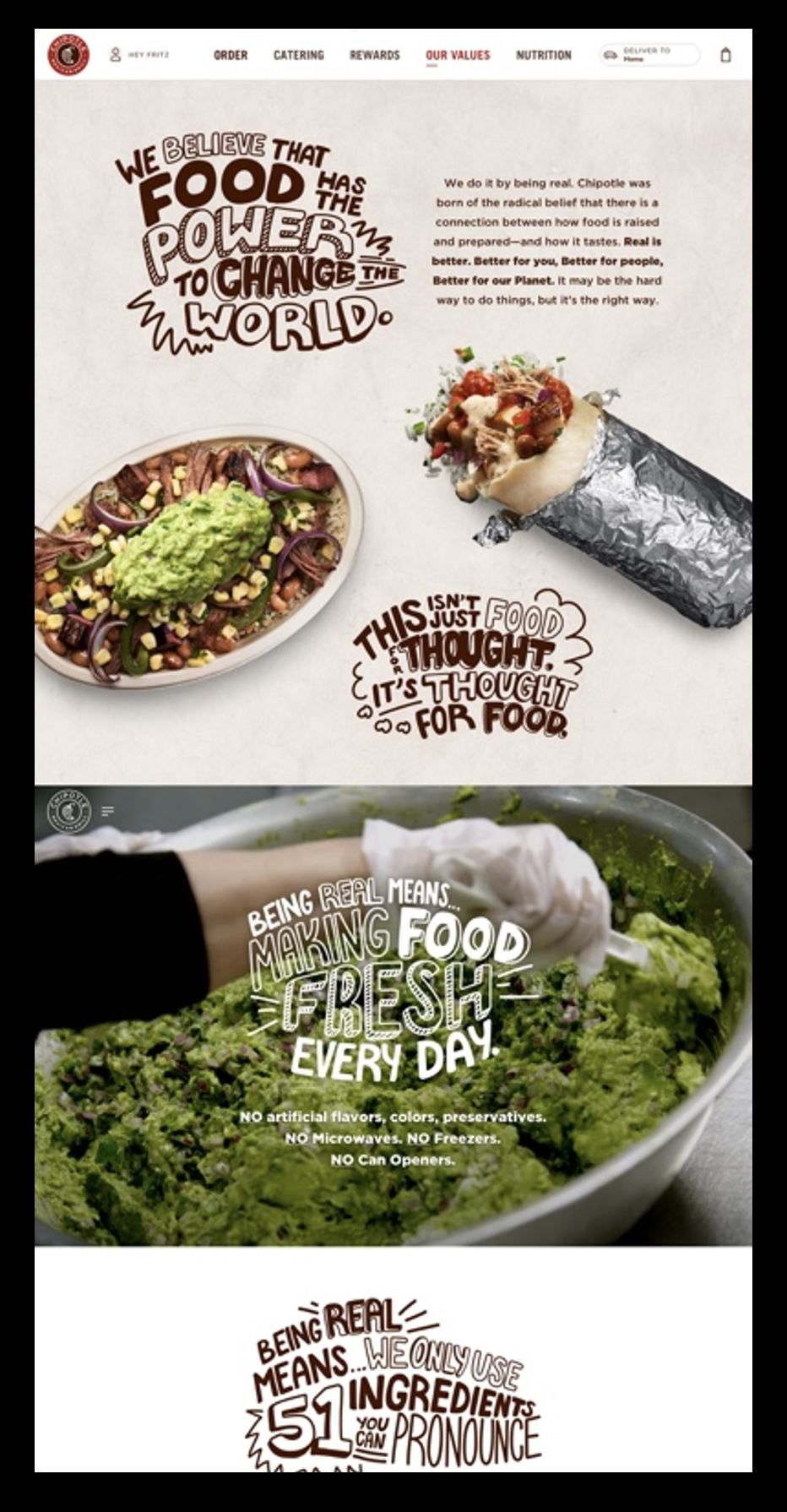
Mobile ordering MVP
Ordering, reordering, status and checkout established the core service.
How a mobile ordering MVP developed into a broader experience across delivery, loyalty, catering and the restaurant.

The programme’s stated goals were speed, convenience and flexibility. The initial app was part of a wider customer experience: choosing food, placing an order, receiving it and returning to the brand.
The presentation describes expansive user research, including the in-restaurant experience, to define personas, the mobile customer journey and a product backlog across channels. This connected digital priorities to the context in which people actually ordered and ate.
That direction created a foundation for successive releases. Each new capability had to fit the customer journey and the operating systems around it.
The mobile-native MVP focused on online ordering, reorder cards, order status and checkout. These were practical steps toward making an order easier to place and follow.
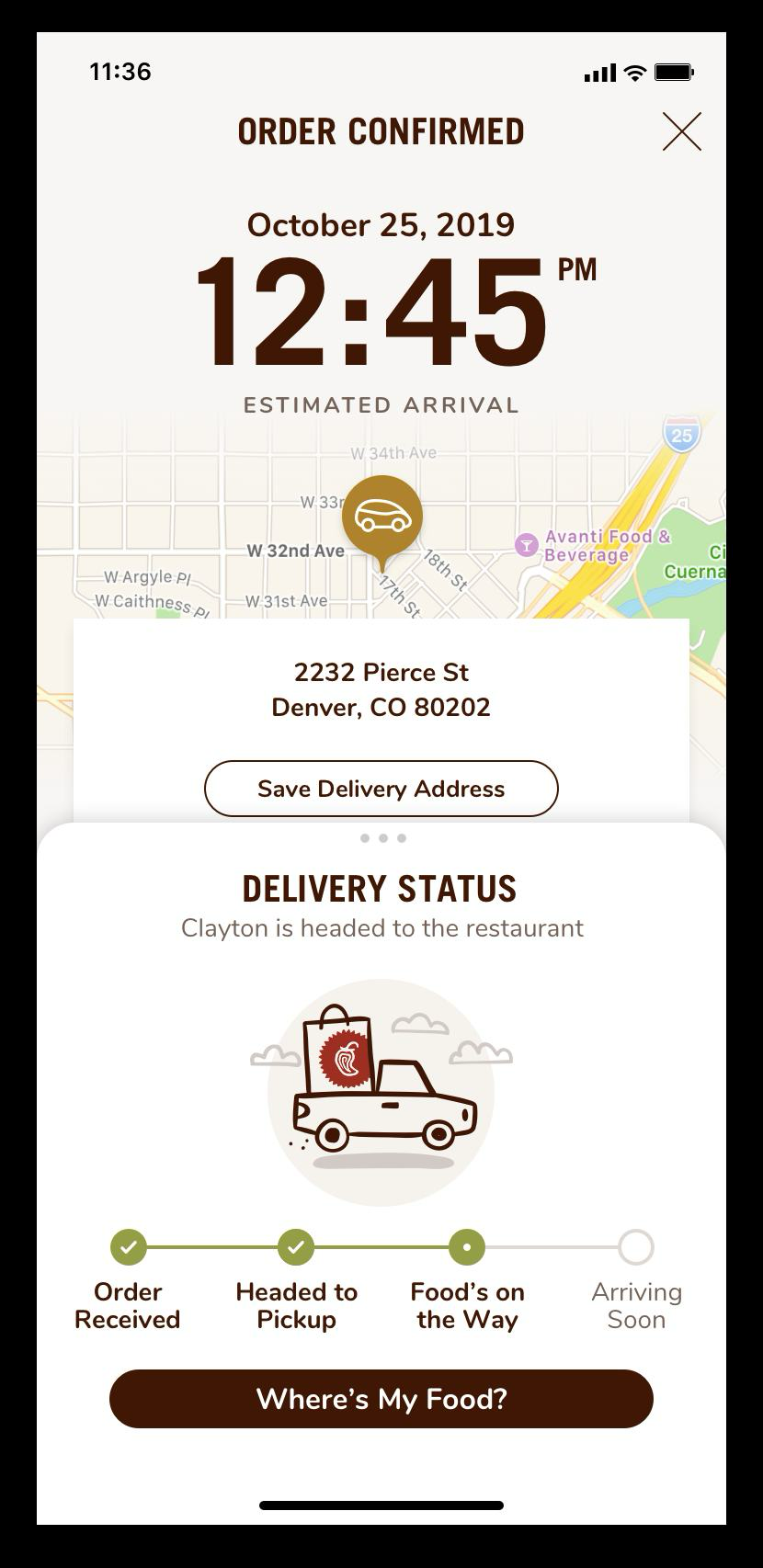
The later screens show the direction extending into pickup and delivery, food customisation and group ordering. Product choices and service choices belong within the same experience, so customers can understand what they are ordering and how they will receive it.
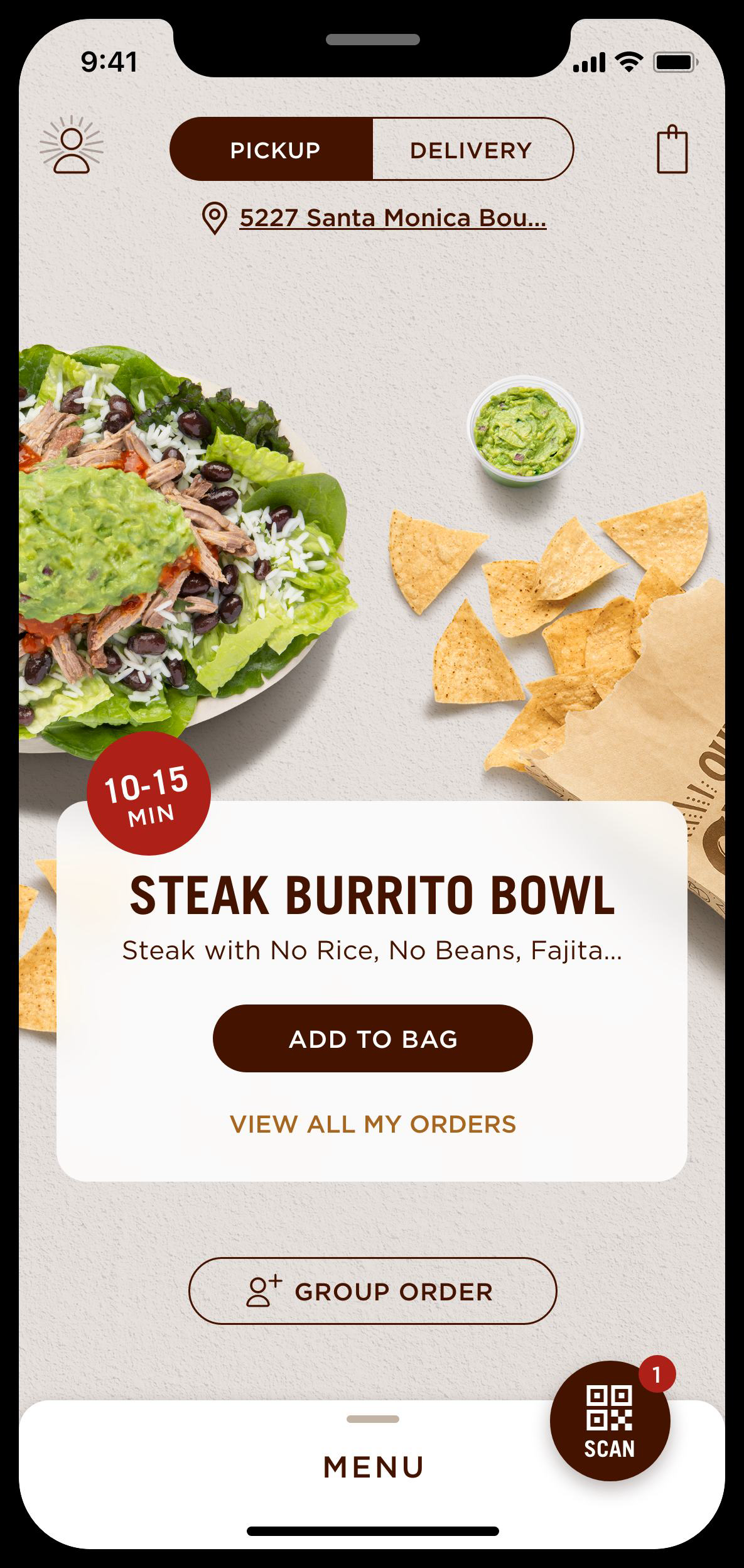
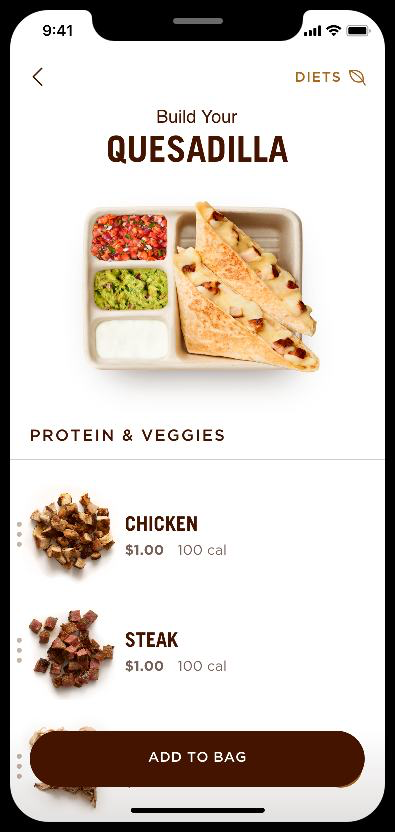
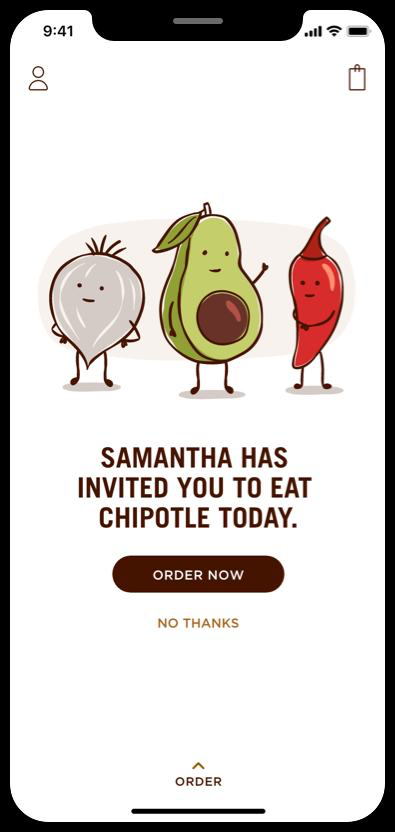
Ordering, reordering, status and checkout established the core service.
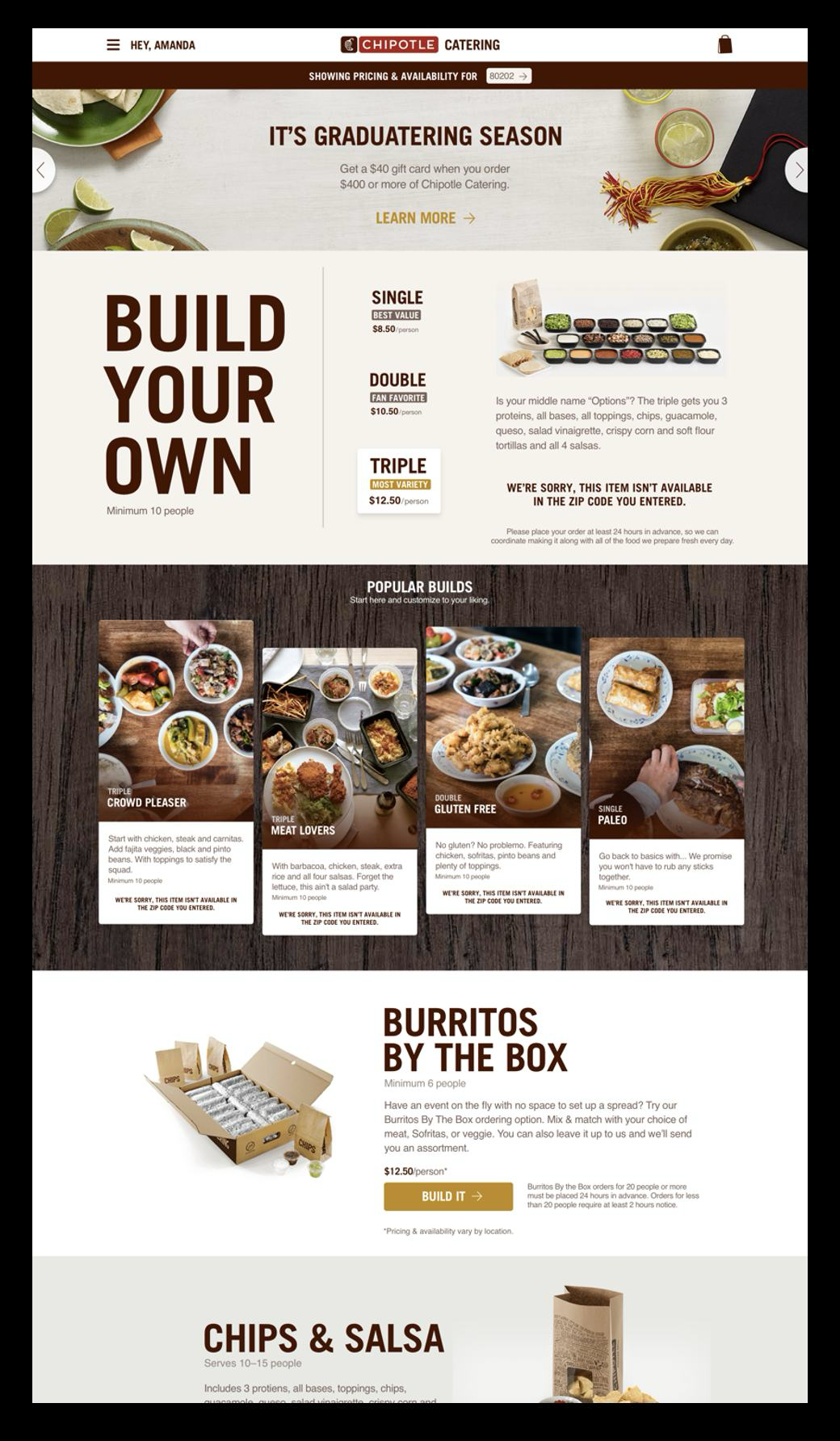
Delivery, lifestyle bowls and catering design expanded the offer. The presentation also records a 2018 People’s Voice Webby award for mobile user interface.
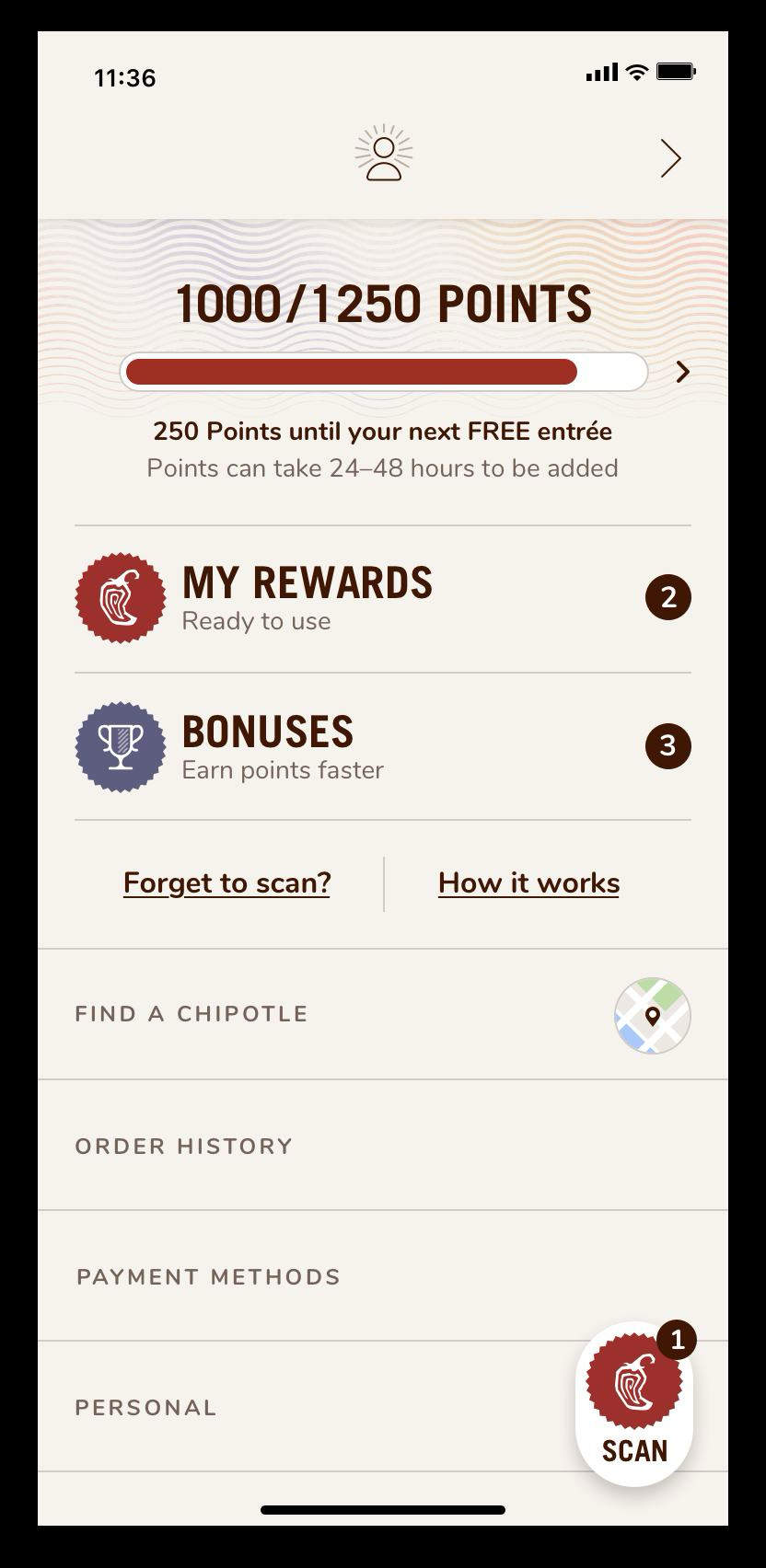
The programme reached the US and Canada, with rewards, web redesign, catering, AEM integration and support for the restaurant’s Digital Make Line.
The account story is one of sustained product evolution: a foundational release followed by additional use cases, channels and operational connections. The presentation also describes proofs of concept for Alexa reordering and testing approaches.
These activities show how future possibilities and delivery capabilities can develop alongside the product. They do not establish a specific increase in consulting revenue, staffing attributable to design, or my personal ownership of the expansion.
The retrospective describes a demanding rebuild: a compressed first-release timeline, onboarding new team members and running new development alongside support for existing live apps. It also records a development and QA process spanning a combined team of more than 70 people.
The documented working model connects design, development and business planning. Research and testing inform design; architectural decisions and documented reviews support development; inclusive planning, quarterly priorities and sprint ceremonies connect the work to business needs.
Customer research and the journey provided a basis for prioritisation across touchpoints.
Weekly meetings, planning and a product-centred development approach helped organise delivery across teams.
Proofs of concept, automation and device testing were part of the documented delivery approach.
As the product grows, the operating model needs to grow with it: shared priorities, clear dependencies and a cadence that supports both change and the live service.
Reported across the MVP and later global phases. The presentation does not date each measurement or define the methodology.
The presentation reports the award for “Mobile sites & apps: Best User Interface.”
Reported figures for 2019 and 2020, reflecting the wider programme’s loyalty reach.
The source also reports usability testing, user surveys and digital-sales figures. These provide wider programme context, but their timing and methods are not fully specified. The figures above are historical claims from the supplied retrospective, rather than independently verified current metrics.
They should not be read as results caused solely by UX work or as outcomes attributable to me. Confirming my involvement and the decisions I influenced will make this a complete personal case study.
The distinctive story here is how a customer-centred foundation supported ongoing opportunities: delivery, loyalty, catering and restaurant operations each introduced new needs and dependencies.
For a design leader, this is a useful way to frame growth: understand the wider journey, make the next opportunity concrete, and align the team around the capabilities needed to deliver it. The case offers evidence of programme expansion; further detail is needed to connect that expansion to my remit and commercial contribution.